A Guide to Identifying and Managing Indoor Plant Pests
Introduction
Indoor gardening is popular in South Africa, thanks to the country’s diverse climate and increasing interest in indoor décor. Indoor plants are susceptible to a range of pests that can damage their health and appearance. Being able to identify & treat the most common pests can help you protect your plants and maintain a healthy and vibrant indoor garden.
Preventative Action
To assist with the prevention of diseases, and to keep your plants healthy,
- Treat your plants with a preventative systemic pest treatment such as Protek Complete 350SC. The product is added to the soil and absorbet by the plant. Thereby protecting the plant from the inside. Remember to read and follow the instructions carefully, and to wear gloves.
- It is a good practice when receiving new plants to quarantine, or keep them separate, for 1 to 2 weeks to ensure they are not carrying plant pests
- Be sure to wash your hands/ tools after working with a plant that is carrying a pest, before touching any other plants as the pest/ disease can be transferred.
COMMON PLANT PESTS
1. Aphids and Whoolly Aphids
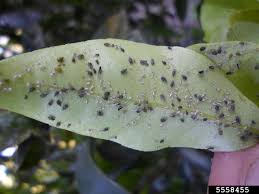
Aphids are small, soft-bodied insects usually found on new growth, stems, and the undersides of leaves. They suck sap from the plant, causing yellowing, curling, and distorted leaves. Aphids can reproduce rapidly and may also produce a sticky substance known as honeydew, which can attract ants and promote mould growth.
Prevention and Cure
Regularly inspect plants and quarantine infected plants. Always ensure good airflow around plants and avoid over-watering and over-fertilizing. If possible, spray the Aphids off the plant with a strong jet of water, then a foliar spray product as directed. Check the surrounding plants and also treat if necessary. If the plant is not affected after 14 days after treatment, return it to the desired area.
Treatment
Protek Complete 350SC (Apply to soil)
Protek Rose Guard or Protek Kemprin (Spray directly on to the plant)
2. Mealybugs
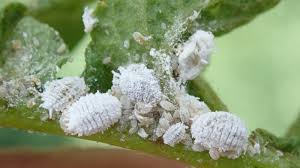
Mealybugs appear as white, cottony masses on stems and leaf joints. These pests feed on plant sap, weakening the plant and excreting honeydew, which encourages sooty mould. Mealybugs are commonly found on succulents, ferns, and other popular indoor plants in South Africa.
Prevention and Cure
To prevent mealybug infestations, ensure good airflow around plants, check them regularly, pay attention to the undersides and nooks and crannies of the leaves and stems. Spray most of the mealy bugs off the plant with a strong jet of water to get them off the plant, then use a combination of the below products as directed on the product. Check the back of the leaves in particular. Check the surrounding plants and also treat if necessary. Isolate the plant for up to 14 days, checking it every 3 to 4 days, re-apply the foliar spray if the pest persists, as the life cycle needs to be broken.
Treatment
Protek Complete 350SC (Apply to the soil)
Protek Kemprin 200 EC (Spray directly onto the plant)
3. Spider Mites
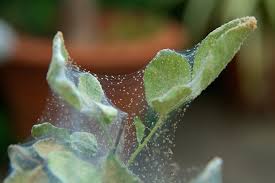
Spider mites are tiny, spider-like pests that are often difficult to see without a magnifying glass. They cause leaves to appear speckled or bronzed and may produce fine webbing on the plant. Spider mite infestations typically thrive in hot and dry indoor conditions.
Prevention and Cure
To prevent spider mite infestations, ensure good airflow around plants, check them regularly for signs of webbing, try to increase humidity using a water spray bottle or humidifier. Spray most of the mites off the plant with a strong jet of water to get them off the plant, then apply Protek Complete 350 SC to the soil, and follow with one of the below foliar spray products as directed on the product. Check the back of the leaves in particular. Check the surrounding plants and also treat if necessary. Isolate the plant for up to 14 days, checking it every 3 to 4 days, re-apply the foliar spray if the pest persists, as the life cycle needs to be broken.
Treatment
Protek Complete 350SC (Apply to the soil)
Protek Rose guard (Spray directly onto the plant)
4. Scale Insects
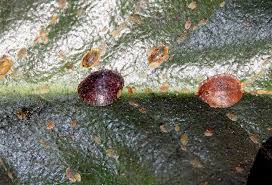
Scale insects look like small, brown or tan bumps on stems and leaves. They are immobile as adults and feed on plant sap, which can lead to yellowing or dropping leaves. Scale infestations can be persistent and hard to control, especially on woody houseplants.
Prevention and cure: Thoroughly check new plants (under leaves, stems, crevices) and keep them separate from your collection for 2-3 weeks. Regularly examine plants weekly for small bumps or sticky residue (honeydew). Immediately move infested plants away from others. Manual Removal is possible for light cases, wipe scales off with a cotton swab dipped in 70% isopropyl alcohol or soapy water, or gently scrape them off. Prune heavily infested leaves/stem.
Treatment
Protek Complete 350SC (Apply to the soil)
Spray-kill 3 (Spray directly onto the plant)
5. Whiteflies
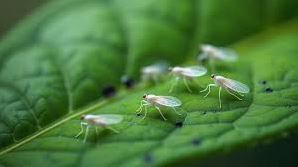
Whiteflies are tiny, white, moth-like insects often found on the undersides of leaves. When disturbed, they fly up in a small cloud. Whiteflies feed on plant sap, weakening the plant and causing yellowing of the leaves. Like aphids and mealybugs, they also excrete honeydew.
Prevention and Cure
Prevention includes checking new and existing plants frequently for signs of whiteflies. Immediately remove any infected plants and isolate them. Maintain good airflow around plants. If you have an infestation, use a strong jet of water on the underside of the leaves to remove adults and eggs.
Treatment
Protek Complete 350SC (Apply to the soil)
Spray-kill 3 (Spray directly on to the plant)
6. Fungus Gnats
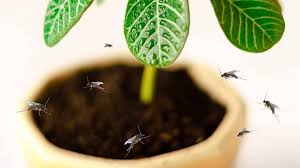
Fungus gnats are small, dark, mosquito-like flies that are often seen flying around indoor plants. Their larvae live in the soil and feed on decaying organic material and plant roots, which can inhibit plant growth. Overwatering can encourage fungus gnat infestations.
Prevention and Cure
Over-watering is the biggest cause. Allow the top 1-2 inches of soil to dry completely between watering; Bottom Watering from the bottom to keep the soil surface dry is an option. Top dress with sand, perlite, or gravel to block access for egg-laying. Isolate new plants to prevent spreading. For severe cases, re-pot with fresh soil, washing roots and cleaning the pot thoroughly.
Treatment
Protek 350SC (Apply to the soil)
Insectidust or Avi Guard Mercaptothion (Apply directly on to the plant)
7. Thrips
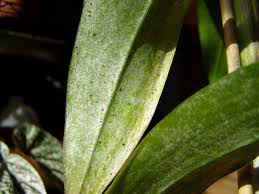
Thrips are slender, tiny insects that feed on leaves and flowers, causing silvery or stippled damage. They can also transmit plant viruses. Thrips are more problematic in greenhouses but can affect indoor plants, especially during warmer months.
Prevention and Cure
Always check new plants thoroughly and quarantine them away from existing ones. Keep plants and growing areas clean; thrips like dust and debris. Increase humidity (they prefer dry) and ensure good air circulation with fans in stuffy rooms.. Physically blast the plant (especially leaf undersides) with water in the sink or shower to dislodge them. Remove and discard heavily damaged leaves or stems in a sealed bag.
Treatment
Protek Complete 350SC (Apply to the soil)
Insectidust or Avi Guard Mercaptothion (Apply directly on to the plant)
Conclusion
Regular inspection and appropriate plant care are essential to prevent and manage pest infestations. Early detection and intervention—such as isolating infected plants, pruning affected areas, and using a preventative pesticide, can help maintain the health and beauty of your indoor plants, and save you money in the long run.